Do you care about solving wealth inequality, poverty, homelessness, youth unemployment, workplace productivity, the skills gap, wage stagnation, business closures, global competitiveness, workforce happiness?
Krystal EO addresses all these issues, and more, at the same time, by tackling the underlying cause: a lack of ownership.
Ownership is the UK's mostunderused lever for a fairer future.
Krystal EO uses philanthropic capital to acquire UK businesses and make them permanently majority Employee Owned, at no cost to the employees.


The structural problem
The UK economy continues to generate wealth, yet the benefits of that growth remain highly concentrated.
Real wages have barely risen in nearly two decades despite sustained increases in productivity, while millions of working families remain in poverty. The issue is not simply how much the economy produces, but who owns productive assets and how the value created by businesses is shared.
25pp
Gap between productivity and pay growth, 1981-2019. 1
14.3M
People in poverty in the UK — around one in five. 2
2.9M
Emergency food parcels distributed in 2024/25. 3
1.25M
Young people in the UK predicted to be NEET (not in education, employment or training) by 2031. 4
- 1 Teichgräber & Van Reenen, International Productivity Monitor (2021).
- 2 Joseph Rowntree Foundation, UK Poverty 2025.
- 3 Trussell, End of Year Statistics 2024/25.
- 4 Office for National Statistics, Young People not in education, employment or training (NEET), UK, released 28 May 2026.
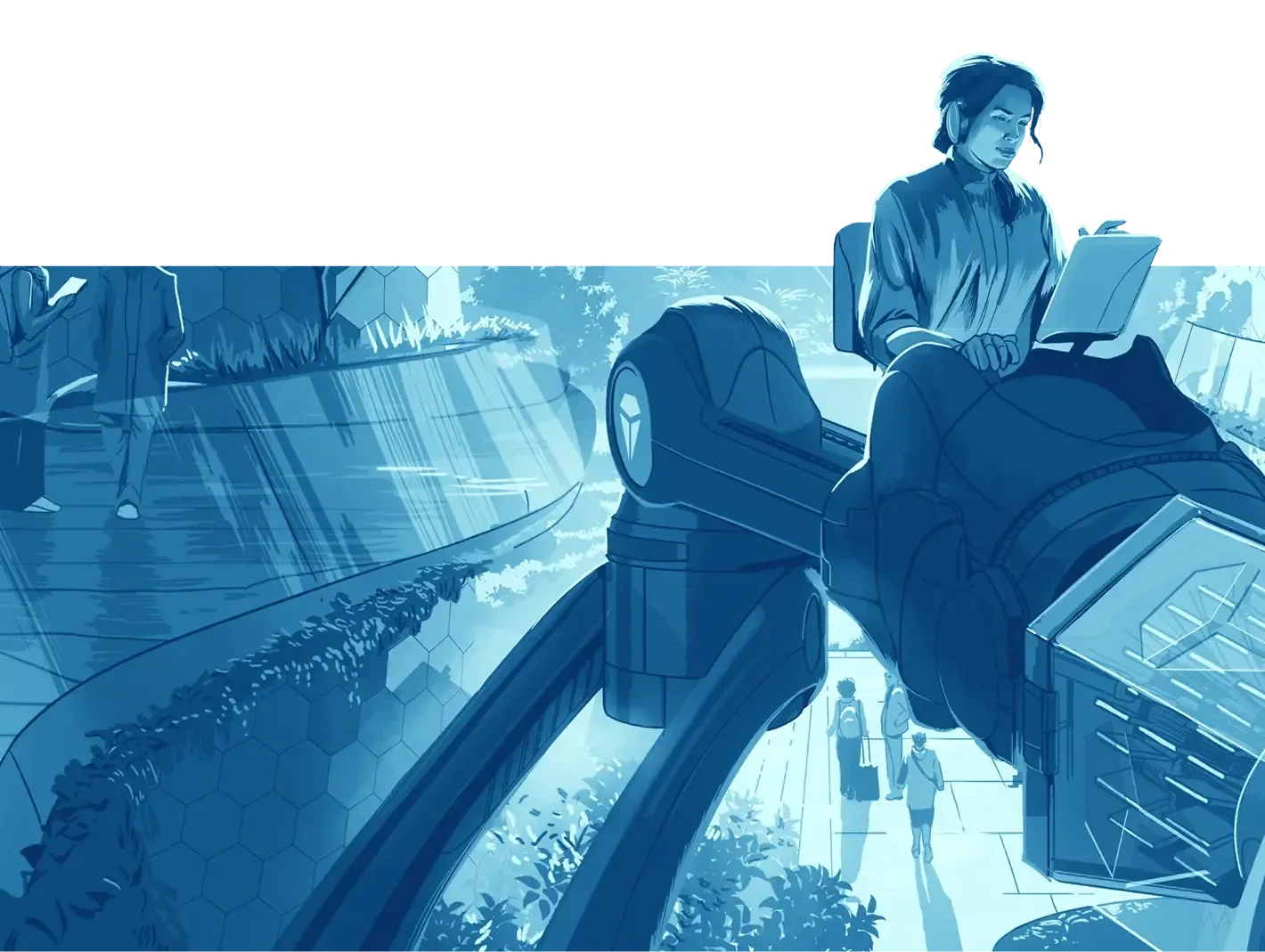
The ownership flywheel
It's like compound interest for philanthropy.
One-off donations typically create short-term impact. Impact investing creates mid-term benefits, if successful, but eventually involves an exit, with the associated risks. Krystal EO is different: it combines short-, mid-, and long-term benefits, funding new acquisitions with the proceeds from previous acquisitions.
It requires no change to UK law or tax policy. It is ready to start working right away, using proven M&A best practices.

Krystal EO's Vision
At least 500,000 Employee Owners by 2060.
Independent research by EDHEC Business School projects that this is achievable with a relatively modest level of philanthropic donations. Read the report here
Employee Ownership is the single most effective form of philanthropy possible, with the potential to create a fairer distribution of wealth from day one.
Employee Owners, 2027–2060
- Employee Owners
- 76,985
- Businesses in Krystal EO's portfolio
- 398
- Profits shared with employees so far
- £858m
- Recycled into new acquisitions that year
- £260m
The evidence for Employee Ownership
Employee-owned businesses are more productive, more resilient, have lower churn and happier employees.
8-12%
More productive (GVA per employee) than non-EO peers 5
2x
As much returned to employees in bonuses and dividends 5
5x
Less likely to make redundancies in the last three years 5
- 5 People Powered Growth (EOA, Ownership at Work & University of Stirling, Oct 2023) surveyed 152 employee-owned businesses against 285 comparable non-EO peers.
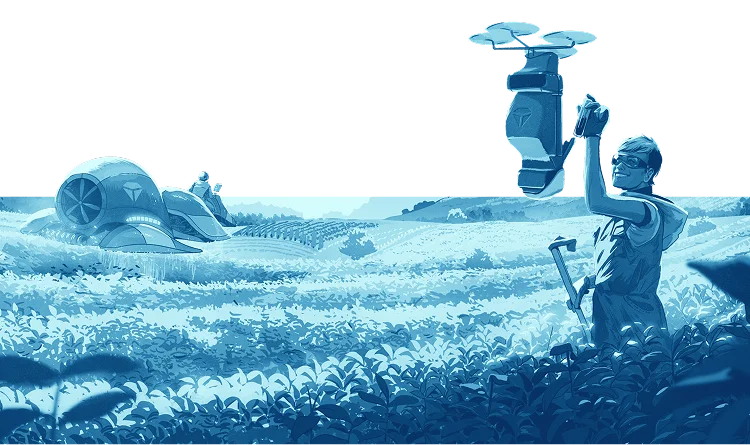
The wider system
The effects of Employee Ownership ripple outward.
Poverty in the UK is no longer confined to worklessness: 72% of children living in poverty are in working families, with over 2.2 million school children qualifying for free school meals.6
When workers earn more, accumulate assets, and feel genuinely secure, the effects extend beyond any single community: into the mental and physical health of families, into the educational outcomes of children who grow up in financially stable households, into the tax revenues that fund public services, and into the reduced demand on welfare and emergency support systems that currently absorb the cost of economic insecurity.
These outcomes are reflected in internationally recognised sustainable development priorities, particularly around poverty reduction, decent work, reduced inequalities, and sustainable communities.
This is not charity softening the edges of decline; it is a new model that will reverse the direction of travel.
6 Department for Work and Pensions, Households Below Average Income 2024/25 (March 2026).